
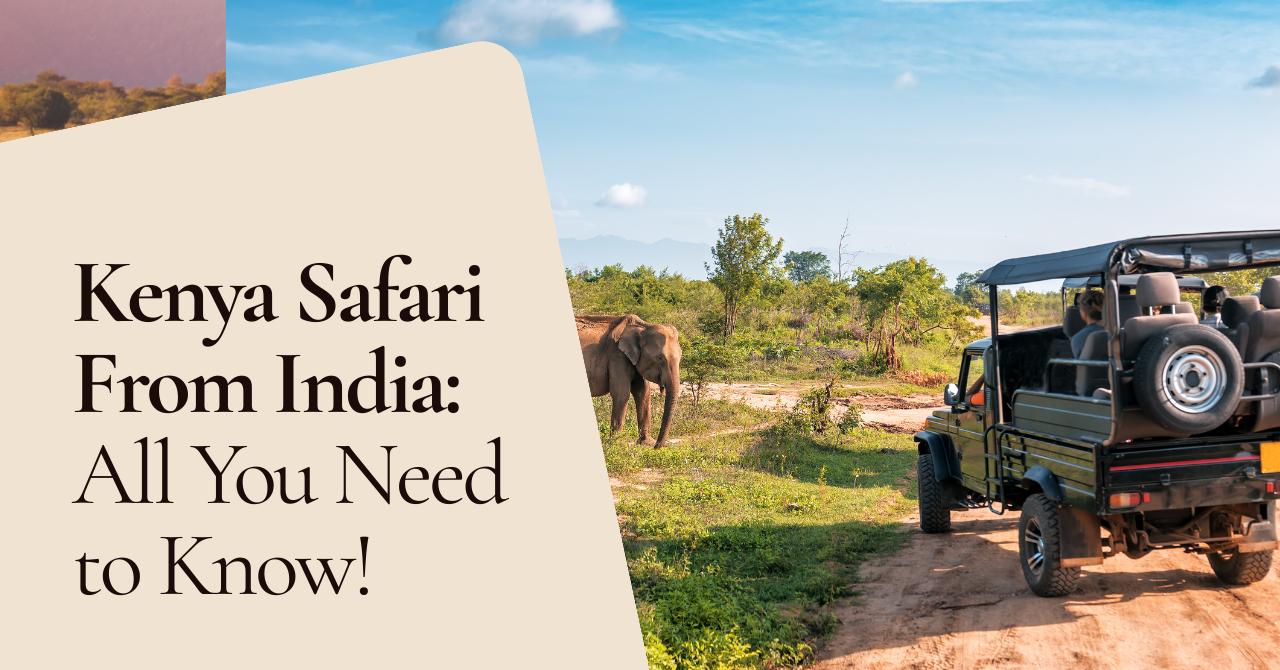
Seeking more details on Kenya safaris from India? Well, Kenya is one of the closest and most rewarding safari destinations for travellers from India. World-renowned wildlife reserves, the Great Migration, easy flight access, visa simplification, and a welcoming tourism culture make Kenya a natural choice for Indian families, couples, adventure seekers, and wildlife photographers.
This guide brings together everything an Indian traveller needs to know before planning a safari holiday to Kenya — from flights, visas, health requirements, and seasons, to food, safety, family travel, packing, and real-life insider tips from years of experience.
Flights & Accessibility
Direct Flights From India
Nairobi is a short direct flight away:
- Delhi → Nairobi: approx. 6.5 hours
- Mumbai → Nairobi: approx. 6 hours
These nonstop flights make Kenya one of the quickest African destinations for Indians, far closer than South Africa, Namibia, or even Morocco.
One-Stop Connections From Several Indian Cities
Travellers from:
- Bengaluru
- Chennai
- Hyderabad
- Kochi
- Kolkata
- Ahmedabad
- Pune
- Goa
typically take 9–12 hours including layovers.
These routes are serviced smoothly by:
- Emirates
- Qatar Airways
- Etihad Airways
- Ethiopian Airlines
- Kenya Airways (via partner hubs)
Connections through Dubai, Doha, Abu Dhabi and Addis Ababa are well-timed and efficient, offering a comfortable door-to-door journey.
Best Time to Visit Kenya
Peak Season (July–October & Christmas/New Year)
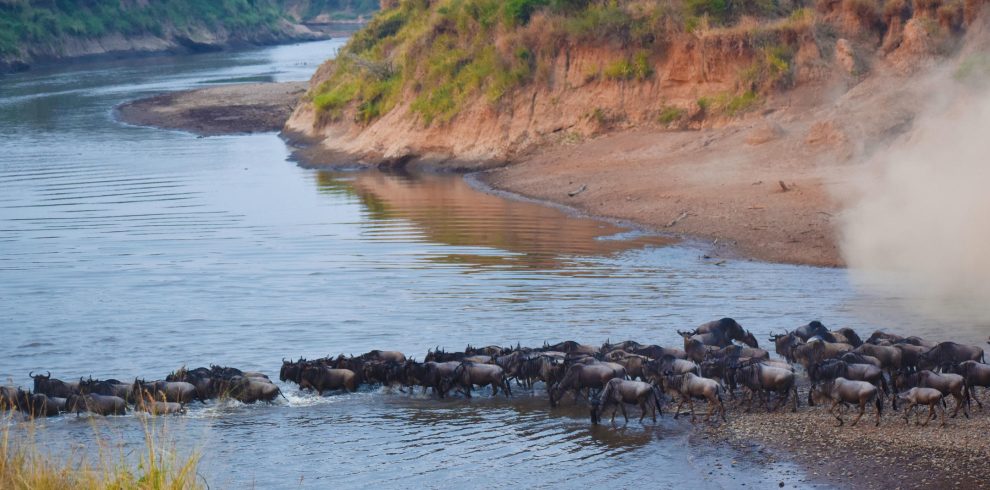
This is the iconic Great Migration season in the Maasai Mara. Wildebeest and zebra cross the Mara River, predators are highly active, grass is short, and sightings are spectacular. Christmas and New Year are also extremely popular and book out early.
Shoulder Season (November–March & Early June)
Fewer crowds, excellent big cat sightings, stable weather, and better availability at top camps. November brings the short rains — brief, refreshing showers that rarely disrupt safari activities.
Most Affordable Season (April–May – Long Rains)
The green season offers:
- Fewer guests
- Lower lodge rates
- Lower park fees
- Dramatic skies and thunderclouds
- Beautiful green landscapes
Safari activities continue normally.
For April and May, wildlife viewing is better in private conservancies, where cattle grazing keeps the grass shorter — this makes predators easier to spot compared to the main Mara Reserve, where grass can be very tall.
Visa & Entry Requirements for Indians
Kenya ETA (Electronic Travel Authorisation)
- Required for all Indian travellers
- Takes around one week to process
- Visa on arrival is no longer recommended
The ETA system is efficient and entirely online.
Yellow Fever Vaccination
Indians must take the Yellow Fever vaccine when travelling to Kenya.
Important notes you shared:
- Kenya is considered a Yellow Fever–endemic country, even though Nairobi and Mombasa are relatively low-risk.
- Many other countries demand proof of Yellow Fever vaccination if you have recently been in Kenya.
- If your itinerary includes the Maasai Mara, Amboseli, Samburu, Tsavo, or any inland region, Yellow Fever vaccination is strongly recommended.
Malaria Precautions
- Most of Kenya (except Nairobi and the highlands) is a moderate malaria zone — similar to many parts of India.
- Consult your doctor for prophylaxis.
- Use mosquito repellent like Odomos.
Oral Polio Vaccination
No longer required for Indians travelling to or returning from Kenya.
Health, Vaccinations & Safety
Overall Safety
Kenya is safe for tourists.
In Nairobi, exercise caution as you would in Mumbai or Delhi.
In the bush, safety is excellent as long as you respect wildlife and listen to your guides.
Drinking Water
Camps provide separate, safe drinking water.
If you need more, request it during daylight hours.
Insects
- Masai Mara has relatively few insects
- Tropical parks like Meru NP or the coast have more
- Always carry mosquito spray
Elderly Travellers
Safaris are safe and comfortable for seniors.
If you have back issues, choose fly-in safaris rather than long road journeys.
Emergency Support
Safari lodges and camps have staff trained to handle:
- Wildlife around tents
- Bugs
- Minor medical situations
- Night safety
- Evacuation coordination
Your safaris also include AMREF Flying Doctors evacuation cover.
Money, Payments & Connectivity
Currency
- Cannot exchange INR in Kenya
- Carry USD for tips and extras
- Withdraw Kenyan Shillings in Nairobi
- ATMs do not exist inside national parks, so withdraw before leaving the city
Cards
Cards work in:
- Nairobi restaurants
- Big hotels
- Gift shops
Small shops and markets prefer cash.
How Much Cash to Carry?
Approx. USD 30 per person per day, mainly for tipping.
Roaming & Mobile Networks
- Airtel India roaming works very well in Nairobi and other cities
- In the bush, mobile network is limited
- Wi-Fi is available in most safari camps, so you can make WhatsApp calls easily
Food, Diet & Indian Preferences
Indian Food on Safari
You can find Indian food in larger hotel chains like Serena and Sopa.
In smaller camps, expect delicious continental cuisine — freshly baked bread, soups, grilled meats, salads, pastas, curries, stews, and beautifully prepared desserts — but not Indian meals.
Vegetarian and Jain Food
- Vegetarian meals are easy to arrange everywhere
- Jain meals require advance notice and are usually accommodated thoughtfully
Spicy Food
Most safari food is not spicy.
But there is always Tabasco — and sometimes chefs can add a little extra flavour on request.
Can I Carry Snacks From India?
Yes.
Many Indian travellers pack:
- Theplas
- Khakhra
- Wai-Wai
- Granola
- Nuts
- Small savoury snacks
These are perfect between game drives.
Getting Around Kenya (Road vs Fly-In)
Road Safaris
Road safaris take place in 4×4 Landcruisers with pop-up roofs, giving excellent visibility.
Transfers between parks are usually 4–6 hours, sometimes longer.
Inside parks, roads are mud tracks — expect bumps.
Fly-In Safaris
Fly-in safaris use small Cessna planes to connect parks quickly and comfortably.
Key facts:
- Ideal for seniors or travellers with back problems
- Luggage limit: 15 kg, including hand baggage
- Safari vehicles at camps are usually open-sided
Motion Sickness
If you get motion sickness, bring patches for small flights.
Accommodation & Camp Life
Types of Camps
Kenya offers a full range:
- Ultra-luxury tented camps (as fancy as boutique hotels)
- Mid-range tented camps
- Rustic bush camps
All offer clean, comfortable rooms with excellent hospitality.
Bathrooms
Most tents have:
- A private toilet
- A private shower
- A wash basin
Separated by canvas partitions — comfortable and surprisingly elegant.
Electricity
- Some camps offer 24/7 mains power
- Solar-powered camps restrict devices like hairdryers
- Charging points available in common areas
Fenced vs Unfenced Camps
- Fenced camps keep wildlife out
- Unfenced camps allow wildlife to roam through — magical and safe
Night Safety Rules
You cannot walk around at night.
Call an askari (night guard) and wait to be escorted.
If an animal walks past your tent, stay quiet — you are safe inside.
Emergency sirens are always available.
Wildlife, Game Drives & What to Expect
How Many Game Drives?
Typically two drives per day:
- Morning drive: start at dawn
- Afternoon drive: 3–4 hours before sunset
Full-day drives can be arranged with a private vehicle.
What Happens If an Animal Approaches the Vehicle?
Remain calm, seated, quiet, and follow your guide’s instructions.
Animals see the jeep as one large, harmless shape — not as individual humans.
Wildlife You Can Expect to See
- Lions: almost guaranteed
- Leopards: very likely, but may require patience
- Cheetahs: common in Mara
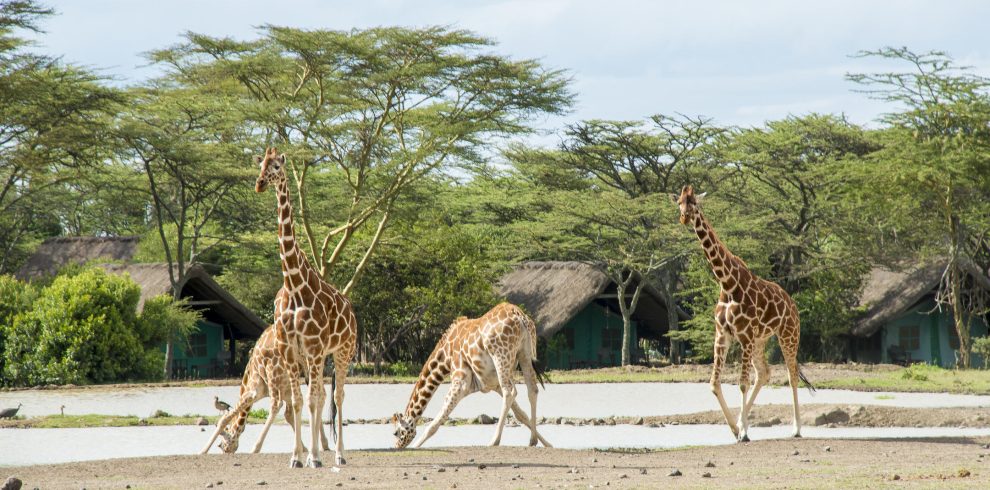
- Elephants, giraffes, buffalo, hippos, zebra, antelope: abundant
The Big Five
Lion, leopard, elephant, rhino, Cape buffalo — originally named because they were the most dangerous animals to hunt on foot.
Great Migration
July to early October.
Best months: August and September.
Is January–March Good for Big Cats?
Yes — this is a great season.
Night Safaris
Allowed only in private conservancies.
Are Drones Allowed?
No — drones are restricted because poachers use them.
Packing, Luggage & Clothing
Clothing to Wear
Wear earthy tones:
- Beige
- Brown
- Olive
Avoid:
- Bright colours
- Denim, which attracts tsetse flies
Layering is essential — mornings and evenings are cold.
Jackets & Warm Clothing
It gets very cold on early morning drives in the Mara.
Bring jackets, shawls, scarves.
Binoculars
Ideally one per person; minimum one per couple.
Camera Gear
Bring a zoom lens with good light-gathering ability.
Hairdryers
Not recommended due to limited solar power.
Luggage Rules
- Soft duffel bags only
- 15 kg weight limit (including hand luggage) on small planes
- Hard suitcases do not fit in Cessnas
Bathroom Breaks on Safari
Your guide will stop at a safe, discreet spot.
The safari term is: “checking tyre pressure.”
Safety, Emergencies & Practical Concerns
Are Animals Dangerous?
Incidents are very rare.
Guides read animal behaviour constantly and will tell you how close you can get.
Night Fears
You may hear animals at night, which is thrilling, but you are entirely safe in your tent.
If nervous, use your emergency siren or call the askari.
Walking at Night
Never walk alone.
Always request an askari escort.
Snakes & Insects
Snakes exist, but sightings are rare.
Dangerous insects are minimal.
Askari escorts ensure safe walking on unlit paths.
Vaccines (Other Than Yellow Fever)
Keep routine vaccinations updated — e.g., Hepatitis A, Typhoid.
Food Allergies
Most camps can cater to:
- Gluten-free
- Dairy-free
- Nut allergies
- Vegan diets
Advance notice is required.
Family, Women & Senior Travellers
Children on Safari
Safaris are best for children above 5 years.
If you travel with a younger child:
- You must hire a private vehicle
- You may need to remain in camp if the child cannot join drives
- Some camps offer nannies
Kids rarely get bored — spotting animals excites them endlessly.
Age Limits
Many camps accept children above 5.
Some adult-focused camps accept only those above 12.
Women Travellers
Kenya is safe for solo women and women travelling together.
Camps recommended for solo guests are extremely secure.
Toilet breaks are always possible — the guide will find a safe private bush spot.
Senior Travellers
Safaris are safe and comfortable.
If you have back problems, avoid long road transfers and opt for fly-in travel.
Money, Budget & Tipping
Why Are Park Fees High?
They support conservation and regulate visitor numbers.
Kenya protects vast ecosystems, and park fees are essential for anti-poaching and wildlife management.
What’s Included in Safari Packages?
- Game Package: all meals, drinks, game drives, conservancy fees
- Full Board: meals only; drinks and game drives are extra
Tipping Guidelines
- USD 5 per couple per day for transfers
- USD 20 per couple per day for camp staff
- USD 30 per couple per day for guides
- USD 15 per couple per day for a butler
Is It Cheaper to Book Directly?
No.
Rates are fixed across operators worldwide.
Connectivity & Devices
Mobile Network
There is patchy network in the Mara and remote areas.
Wi-Fi in camps is far more reliable.
SIM Cards
You may buy a Safaricom SIM, but Airtel roaming also works well.
WhatsApp Calling
Yes — works through Wi-Fi in most camps.
Charging Equipment
Charging is usually available in the dining or lounge areas in solar camps.
Camera Accessories
Some camps offer beanbags or stabilisers for photography on request.
Safari Activities & Experience
Can I Skip a Game Drive?
Of course.
Camps are peaceful — many guests take a morning off to relax.
How Early Do We Start?
Wake-up calls are before sunrise.
After tea or coffee, you head out as soon as the sun rises, when animals are most active.
How Long Is Each Game Drive?
Typically 3–4 hours.
Can I Request Specific Animals?
No safari can guarantee specific animals.
Your role: keep your eyes peeled and enjoy whatever the bush reveals.
Hot Air Balloon Safari
A magical, once-in-a-lifetime experience.
Approx. USD 500 per person.
Grass Height in April–May
In April–May, the grass in the Mara Reserve can grow tall.
For better viewing, choose Mara conservancies, where cattle grazing keeps grasses shorter.
Accommodation Comfort & Luxury Options
Private Bathrooms
Most tents have private shower, toilet, and wash areas.
Luxury vs Rustic
Luxury camps feel like boutique hotels — with butlers, private dining, and sometimes plunge pools.
Rustic camps offer a closer-to-nature feel.
Do Tents Have Fans?
Some do.
Luxury camps often provide fans; eco-camps may not.
Electricity Hours
Solar camps may not offer 24/7 power.
Plan your charging times.
Celebrations & Special Requests
Anniversaries, birthdays, private dinners, and special set-ups can all be arranged.
Some high-end camps offer private guides, private vehicles, and villa-style tents.
Planning & Booking
How Far in Advance to Book?
At least 1 year for the Great Migration season.
Is Travel During Rainy Season Risky?
Not particularly.
Rains can be heavy but often come in short bursts.
Game drives still operate.
Can I Combine Kenya With Other Countries?
Yes:
- Kenya + Tanzania (requires more time; avoid rushing both)
- Kenya + Rwanda/Uganda (gorilla trekking)
- Kenya + Zanzibar or the Kenyan coast (beach extension)
Travel Adapters
Kenya uses Type G (UK plug).
Diarrhoea & Medication
Carry ORS and essential medicines.
The nearest dependable pharmacy is usually back in Nairobi.
Dust & Allergies
Dry season can be dusty — scarves and masks help.
Portable Fan
Useful in hotter months.
Browse Through Our Kenya Safaris
Contact us for Customised Safaris
We have been planning safaris to Africa since 2013, and have several decades experience of organising safaris to the remotest parts of Africa. From the Congo Basin to the tribal belt of Ethiopia. From a specialised safari into the mountains of Kenya to the deserts of Algeria. Contact our Safari Gurus for a more specialised itinerary.
(FYI, a customised safari to Kenya starts at about US $1000 per person per day. )
Also do check out our Kenya Safari Guide if you have more questions.