
Family Safaris in Africa
Planning a family safari in Africa is one of the most exciting journeys you can embark on together. Watching your child’s eyes widen at the sight of a lion on the prowl or a herd of elephants crossing the plains is an experience like no other. But for parents, it also raises a big question — what is the right age for a child to go on safari?
What Age Can My Child Go on Safari?
This is one of the most common questions families have when planning their first African adventure — and rightly so. Safaris can be deeply meaningful experiences, but they also come with logistical and emotional challenges for young children.
While there is no single answer — because every child has a different temperament, attention span, and curiosity — we generally recommend a minimum age of five for a child’s first African safari.
At this age, most children are old enough to follow safety instructions, sit quietly during sightings, and genuinely absorb what they are seeing. They can connect what they learn from guides to what they may have read in books or watched in documentaries. In our experience, that’s when the magic truly begins.
Why We Don’t Recommend Safaris for Children Below 5
You may wonder why we draw the line at five years old, especially when some lodges technically allow infants or toddlers. The reasons are practical — and rooted in both safety and experience.
Behavior around wild animals: Children under five often don’t yet grasp how to behave in the presence of wildlife. A sudden cry or loud movement can disturb animals and potentially create unsafe situations.
Emotional comfort: Being surrounded by unfamiliar sounds and large animals can frighten small children. They may feel uneasy or overwhelmed, especially during close encounters.
Long drives in enclosed vehicles: Safaris involve extended periods in open or enclosed vehicles, often under the sun and on bumpy terrain. Expecting a toddler to sit quietly for hours isn’t realistic — and it can make the experience stressful for both parents and other guests.
Limited learning impact: While it’s true that children are sponges for information, most under-fives won’t retain or fully understand what they’re seeing. The lessons come alive when they’re just a little older.
Value of the experience: African safaris are significant investments — in both money and effort. It makes sense to wait until your child is mature enough to appreciate it and carry those memories forward.
When my own child went on safari for the first time — at six and a half — it was extraordinary to watch how deeply he engaged. He asked questions about hyena behavior, watched how lions coordinated hunts, and remembered these observations years later. These are the kinds of lifelong impressions that a safari can create when the timing is right.
But the Lodge I Want to Stay in Allows Infants…
Yes, some lodges do permit infants or very young children. However, that doesn’t necessarily mean that a safari is enjoyable or suitable for them.
Imagine being in an open, dusty car for several hours each day, under varying temperatures, with limited ability to move around or play. This is not an ideal setting for a baby or toddler.
Many high-end safari camps that do accept children below five will still require families to book a private vehicle — ensuring other guests’ experiences aren’t disrupted. This adds to the cost and planning complexity.
If you are traveling with a baby, it might be wiser to focus on family-friendly lodges located near the parks, where you can enjoy short, flexible drives or spend more time relaxing rather than game-viewing. You’ll still be surrounded by Africa’s beauty without pushing your little one beyond their comfort zone.
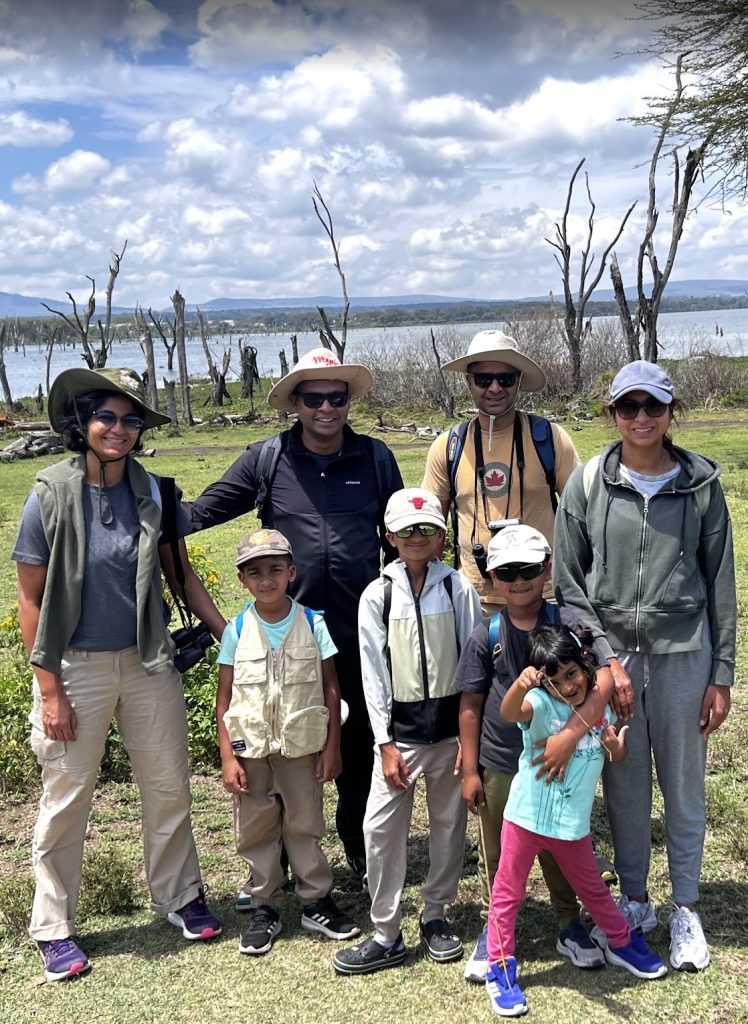
What Makes the Perfect Family Safari
A family safari is not just a safari with children added to it — it’s a completely different rhythm of travel. The goal is not to fit kids into an adult-style itinerary, but to design something flexible, engaging, and filled with variety.
Children, even older ones, can get tired of back-to-back game drives. Sitting in a vehicle for long hours, no matter how exciting the sightings, can become repetitive. That’s why our custom-designed family safaris always include a range of experiences beyond traditional drives.
When you combine a private conservancy with a main reserve, you unlock far more options. In conservancies, families can enjoy activities that are not allowed inside national parks, such as:
Guided nature walks where children can learn to identify animal tracks, insects, and plants.
Cycling safaris or short hikes in safe zones that give kids a chance to move freely.
Night drives — spotting nocturnal animals with special lights is always a thrill for children.
Visits to nearby communities or conservation projects, where they can meet local guides, rangers, and schoolchildren.
We often recommend ending the safari at a lodge or camp with a swimming pool or open areas where children can unwind, play, and simply enjoy being outdoors. These pauses in the schedule help balance excitement with rest — a key ingredient for keeping kids (and parents) happy.
To Summarise
Introducing your child to Africa can be one of the most rewarding experiences of parenthood. The sights, the sounds, the scale of life on the savannah — all leave a deep impression. A well-planned family safari in Africa teaches children empathy, patience, and respect for nature.
So, while you can technically take a very young child on safari, we believe in waiting until they’re ready to truly appreciate it. At around five or six, they start to see the bush not as a zoo without fences, but as a living, breathing classroom. And once they do, the memories stay with them forever — long after the dust has settled on their first safari road.
Planning your Kenya safari in 2026/2027
How to Get to Kenya (Flights, Airlines, Airports)
Planning a Kenya safari? Fly into Nairobi’s Jomo Kenyatta International Airport (NBO) with direct flights from Europe, North America, the Middle East, and Asia. Connect easily via Wilson Airport to the Masai Mara, Amboseli, and other parks, or head to Mombasa and Diani for a beach holiday. Read on here »
When to Visit Kenya (Month-by-Month Weather & Migration)
Wondering when to visit Kenya? From the Great Wildebeest Migration in July–September to baby season in January–March, each month offers something unique. Discover the best time for safari, photography, and beach holidays with our month-by-month Kenya weather and migration guide.
Kenya Safari Costs – How to Budget?
Planning a Kenya safari? Most packages are all-inclusive, covering accommodation, meals, park fees, game drives, and transfers. Expect to budget around $5,000 per person for mid-range safaris, $8,000 for classic camps, and $10,000+ for luxury experiences, with park fees varying by season. Read on here »
Fly-in Safari vs Road Safari — What's the Difference?
Choosing between a fly-in safari and a road safari in Kenya comes down to convenience versus experience. Fly-in safaris save time, offer scenic aerial views, and use open-sided vehicles, while road safaris let you explore the countryside, stop at landmarks, and travel with the same guide throughout your journey. Read more about how fly-in safaris differ from road safaris »
Types of Safari Vehicles in Kenya
On a Kenya safari, the vehicle you choose shapes your experience. Options include budget minibuses with pop-up roofs, closed 4×4 Land Cruisers for comfort and reliability, and open-sided 4x4s that offer the best wildlife viewing inside parks.
How to Book an African Safari (Step by Step)
Planning a safari is unlike planning a typical holiday—it requires choosing the right parks, the best time of year, and camps in prime wildlife locations. With expert guidance from specialist African safari travel agencies like KlipKlop and Chalo Africa, you’ll enjoy seamless logistics, insider knowledge, and the best rates for an unforgettable African adventure.
How to Choose the Best Kenya Safari Camps & Lodges
Choosing the best safari lodge or camp in Kenya can be overwhelming with so many options—from luxury tented camps in the Masai Mara to eco-lodges in community conservancies, private bush villas for families, and beachfront hotels in Diani. The right accommodation depends on your group, travel style, and interests, whether you’re a honeymooner seeking romance, a family needing a child-friendly lodge, or a photographer looking for prime wildlife access. Read more on how to choose the best camp or lodge »
Practical Kenya travel information – Updated 2026/2027
Kenya Visa (ETA) Guide
Wondering how easy or complicated it is to enter Kenya? Do you require a visa? What is an ETA? Read our Kenya visa (ETA) guide to get all your answers.
Vaccination & Health Guide (Yellow Fever, Malaria)
While Kenya offers world-class healthcare in Nairobi, preparing for your health and safety before departure is crucial for a worry-free adventure. Here’s your comprehensive guide to staying healthy during your Kenyan journey.
Is it Safe to Travel to Kenya?
Wondering if Kenya is a safe destination for your next holiday?
The short answer: Yes, Kenya is safe for tourists who take standard travel precautions.
Money, Tipping, SIM Cards, Power Plugs
Before you head off on safari, it’s useful to know the basics about money, tipping, SIM cards, and power plugs in Kenya. From exchanging currency and gratuity norms to staying connected in the bush, here’s everything you need to prepare for a smooth journey.
Packing List for Kenya Safari (Downloadable Checklist)
Clueless about what to pack on your Kenya safari. Checkout our Kenya packing list »
Choosing the best safari for you
The Great Migration 2026/2027
Best Camps for the Great Migration 2026/2027
Few wildlife spectacles rival the Great Migration in Tanzania’s Serengeti and Kenya’s Masai Mara — over a million wildebeest, hundreds of thousands of zebras and gazelles tracing ancient paths across the plains. Choosing the right camp, in the right location, at the right time is key to witnessing this phenomenon at its peak.
Kenya Safari vs Tanzania Safari – Which is Better?
Planning an African safari and torn between a Kenya safari and a Tanzania safari? The choice often comes down to the Masai Mara vs. Serengeti. In Kenya’s Masai Mara, the highlight is the Mara River crossings during the Great Migration in August and September, paired with year-round big cat sightings and easy access from Nairobi. Tanzania’s Serengeti, on the other hand, offers a vast wilderness experience, from the famous calving season in the southern plains (January–March) to predator-prey drama in the north (July–October). Both destinations are exceptional, but the right safari depends on your timing, budget, and the kind of wildlife experience you seek. Read our full post here »
Family Safaris in Kenya
Discover how to plan the perfect family safari in Africa — from the ideal age to take your kids on safari to choosing the most child-friendly lodges and activities that keep little explorers engaged. Learn why most experts recommend waiting until age five and how to craft a journey that sparks curiosity, connection, and lifelong memories for the whole family.
Honeymoon Safaris in Kenya
From hot air balloons over the Serengeti to private dinners at Victoria Falls and barefoot walks on Zanzibar’s beaches, Africa is the ultimate honeymoon destination — where wild romance meets luxury and every sunset feels like your own.
Popular Kenya Safari Parks & Conservancies
- Masai Mara National Reserve
- Masai Mara Triangle
- Masai Mara Conservancies
- Amboseli National Park
- Ol Pejeta Conservancy
- Lake Elementeita
Explore our Kenya Safaris
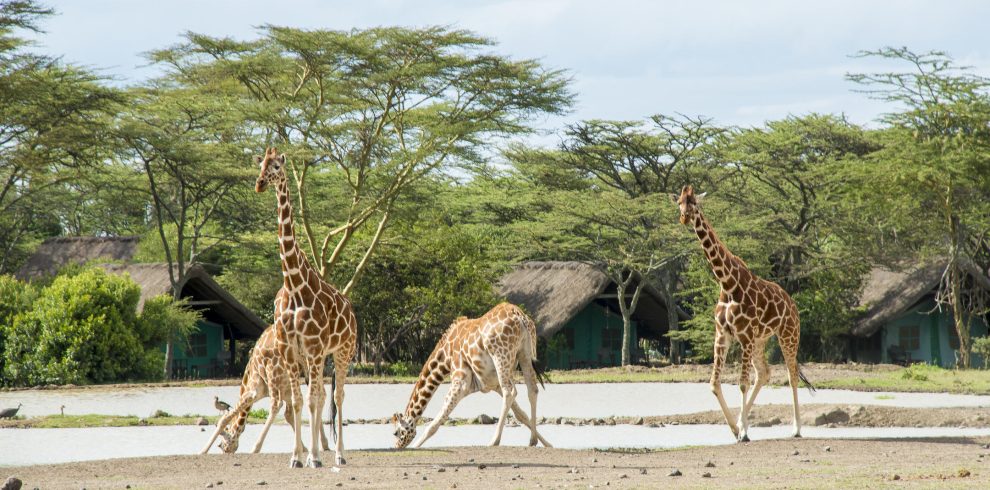
Set off on an unforgettable 9-day safari through Kenya’s most iconic landscapes, blending thrilling wildlife encounters with luxurious stays. Your journey begins in Ol Pejeta Conservancy, a pioneering Big 5 reserve that shelters the last two northern white rhinos. From there, travel to the serene Lake Elementeita, where golden acacias frame flamingo-lined shores and abundant birdlife. Continue on to the world-famous Masai Mara Triangle, a spectacular wilderness where lions, leopards, elephants, and great plains game roam across the rolling savannah.
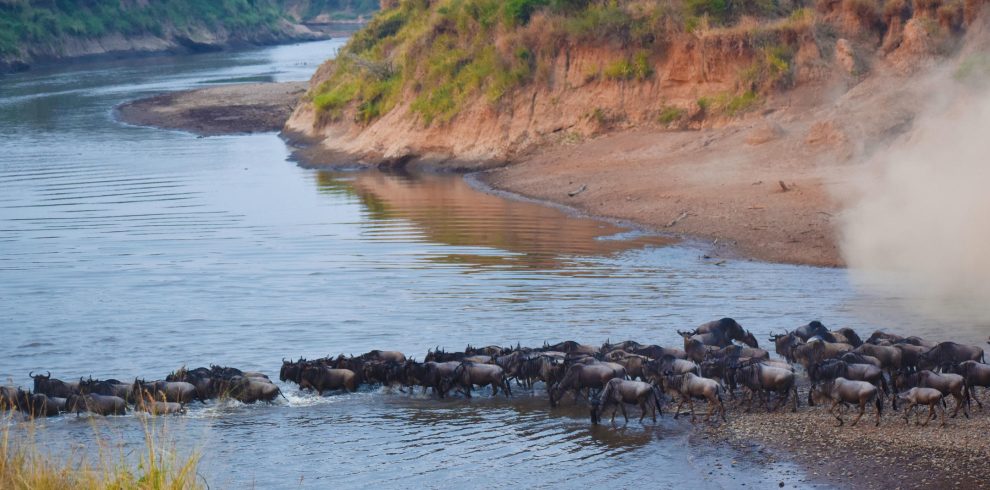
Embark on a once-in-a-lifetime journey through Kenya’s most iconic landscapes. From the elephant-dotted plains of Amboseli beneath the snow-capped peak of Mount Kilimanjaro, to the flamingo-fringed shores of Lake Elmenteita, and finally the world-famous Masai Mara Triangle, this 9-day safari is designed for those who crave both adventure and comfort.